Hummingbirds Center Research Institute - Centro Colibri, Inc.
Hummingbirds center ✦
Since 1999
26 years of passion, research, conservation, and fieldwork
Despite countless scientific publications on hummingbirds, a comprehensive protocol regarding their physiology and nutritional needs was missing.
We established the necessary protocols to maintain stable populations ex situ, enabling governmental and zoological institutions to apply appropriate conservation measures in situ—including breeding and reintroduction into the wild where necessary.
We also developed a food for hummingbirds that is the result of 26 years of research and is backed by peer-reviewed scientific studies.
From hatching
Our Nectar has allowed the weaning of hummingbird nestlings abandoned by their mothers on the first day of life
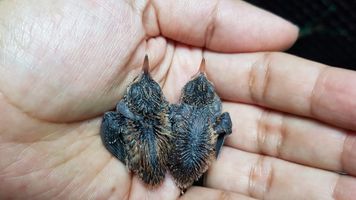
To fledging
Our nectar has allowed the complete development of the little hummingbirds weaned by our keepers
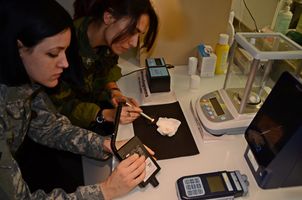
Embryonic development
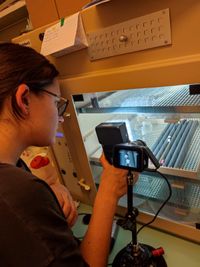
When incubating orphaned eggs, it is important to monitor embryonic development on a daily basis so that action can be taken immediately
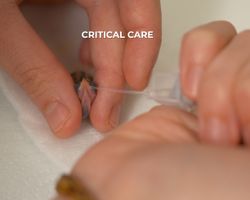
Critical care
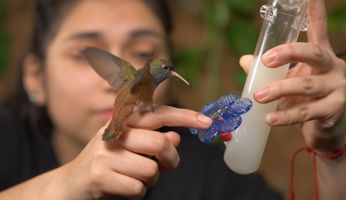
Hand-feeding a newborn hummingbird on its first day of life
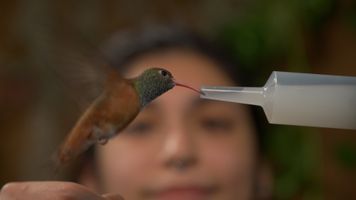
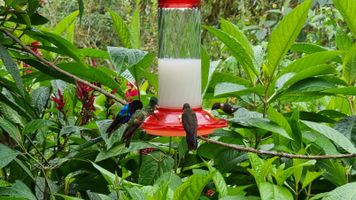
Autoclavable feeders
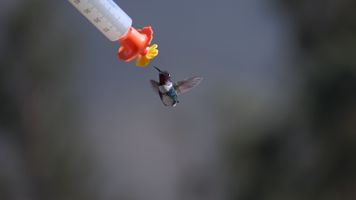
Plastic products may also be used for feeders, but only if they are pharmaceutical grade, sterile and autoclavable
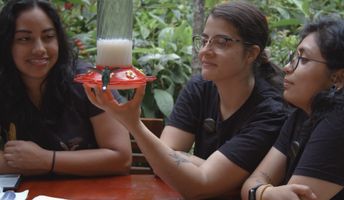
Ecuadorian research station
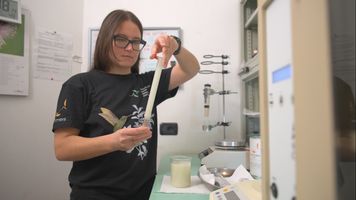
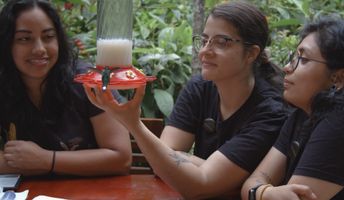
Deputy Director Federica Cardarelli, Senior Keeper Thalia Pardo, and Assistant Jane Villasis.
Is Sugar Water Enough?
Sugar water provides energy, but energy alone is not complete nutrition.
However, be careful: abruptly removing an established feeder that birds rely on is also dangerous!
More than 1,400 flowers a day—for just one hummingbird.
That is what natural feeding really means.
Think about it: not even a simple ant can survive on sugar alone. How could a complex hummingbird, with its extreme metabolism, survive on nothing but sugar water?
“But hummingbirds still have flowers,” you may be thinking. “Isn’t sugar water just an extra boost?”
The problem is that sugar water is not a simple boost. When it is available without limit and takes no effort, birds take the shortcut—visiting fewer flowers, consuming less natural nectar, foraging less for insects, and getting less of the amino acids, electrolytes, and microbial richness that come with natural feeding.
As we always say at Hummingbirds Center: “Flowers & insects first. Then science-backed nectar.”
Our scientific nectar
Born in the laboratories of our Italian scientific institution—recognized by Ministerial Decree—our nectar carries 26 years of research from Italy through Latin America to the US.
In cooperation with Chelab Laboratories (Treviso, Italy), Seris Lab (Genoa, Italy), and the Department of Agricultural and Environmental Science, University of Udine (Italy).
Grounded in 26 years of research and documented in scientific literature, our DOI-validated formula is a complete nectar created to meet real hummingbird nutritional needs beyond empty calories.
Field-tested in Ecuador, Colombia, Peru, Dominican Republic and in European Zoological Institutions. Even abandoned nestlings have been successfully raised on this formula from hatch to flight.
Sugar water provides energy, but hummingbirds cannot live on sugar alone.
Many people think flower nectar is simply sugar and water. It is not: it also contains potassium and other electrolytes, free amino acids—most notably proline—and many other nutrients. Together, these components form the nutritional foundation of our scientific nectar.
Research & field work
From Italy to: Colombia, Ecuador, Peru and the Dominican Republic
Our breeding and nutrition protocols have been field-tested in: Ecuador, Colombia, Peru, Dominican Republic and in European Zoological Institutions.
Even abandoned nestlings have been successfully raised on this formula from hatch to flight.
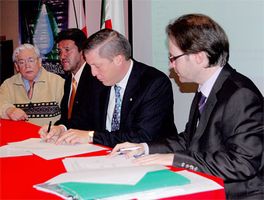
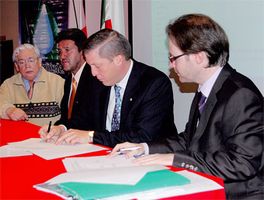
The Colombian University
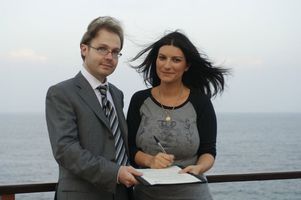
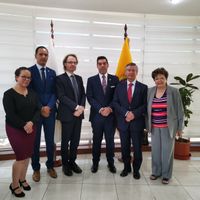
The agreement with the University of Boyaca, in the presence of presidential envoy of the Republic of Colombia, Hon. Ciro Montañez
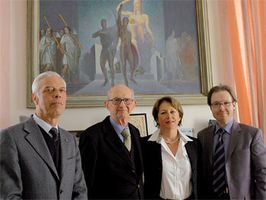
The University of Udine
Rector Prof. Compagno, Prof. Susmel, and the late Prof. De Ferra back in 2008 during the study of the first formulations of the nectar
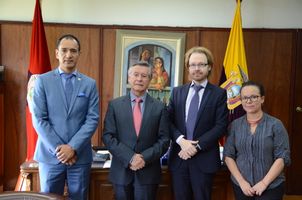
The Ecuadorian University
The agreement with the Universidad UCE, in the presence of Rector Fernando Sempértegui and Dean of Veterinary Medicine
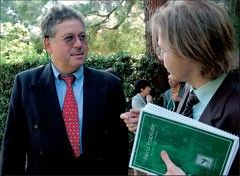
Italy 1999, where it all began...
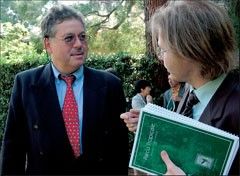
Prof. Karl Schuchmann (University of Bonn) who first decoded hummingbirds’ diet in 1978. The godfather who helped found our Center!
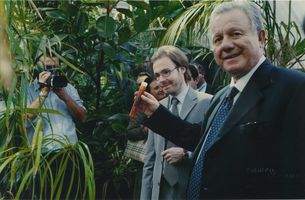
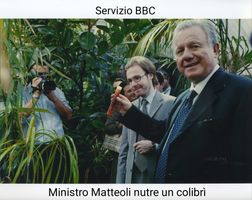
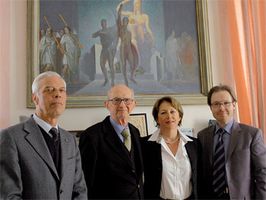
The Italian Minister of the Environment
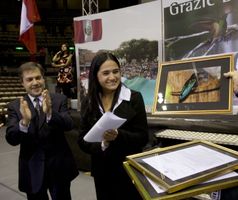
Back in 2004, the Italian Minister of the Environment Hon. Matteoli inaugurated the first experimental version of Hummcare Nectar
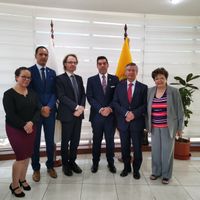
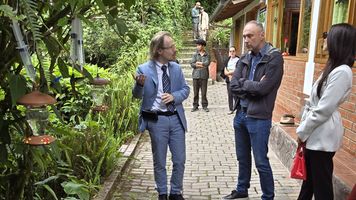
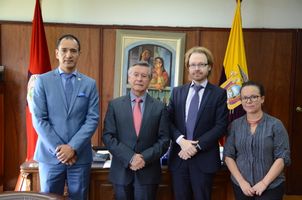
The Ecuadorian Minister of the Environment
The Minister with the Rector of the Central University and the board of the Hummingbirds Center

Our staff
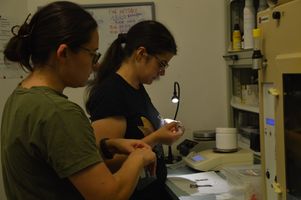
From the left Curator Rebeca Guler with Vice Director Federica Cardarelli
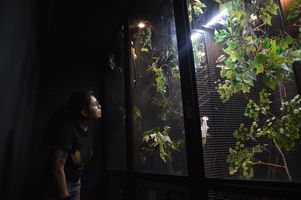
Our Senior Keeper Thalia Pardo
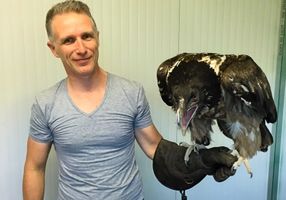
Our Veterinary Director Pierfrancesco Bertoni
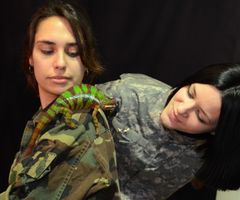
From the left our biologist Sara Pineda with our Keeper Miriam Battaglia
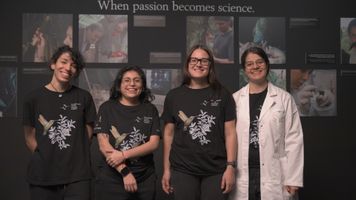
Alice, Thalia, Rebeca and Federica
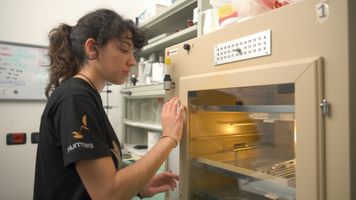
Our Keeper Alice Lincetto
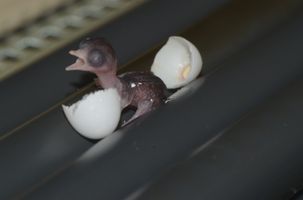
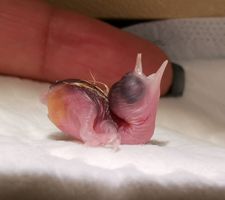
An orphan’s second chance.
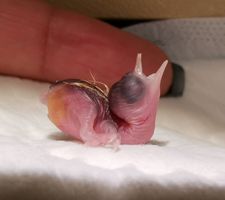
When a mother leaves, we step in. This tiny hatchling, abandoned at the egg stage, is now thriving on a complete diet. Witness how our science-backed formula turns a fragile beginning into a strong life.
Newborn measures only 6mm (0.24inch)
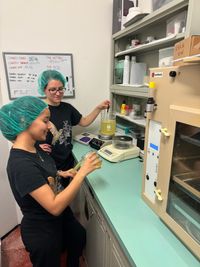
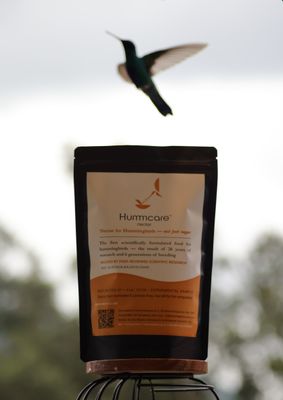
Hummcare Nectar
Nectar for hummingbirds—not just sugar
We have produced the first scientifically formulated food for hummingbirds—the result of 26 years of research, backed by peer-reviewed scientific studies.
Field-tested in Ecuador, Colombia, Peru, and in European Zoological Institutions.
Formulated with more than 23 amino acids, hydrolyzed proteins, fatty acids, minerals, and vitamins. Contains 75% carbohydrates and over 18% prebiotic fiber.
Hummcare Nectar™
Our loves
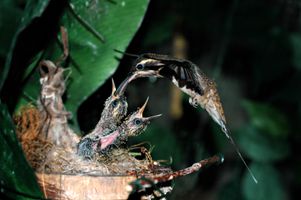
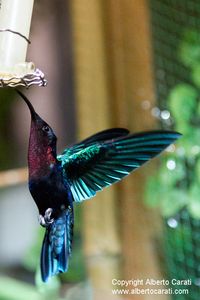
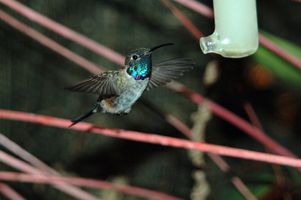
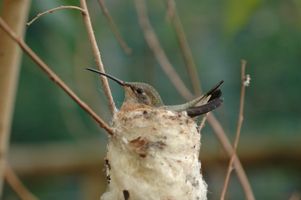
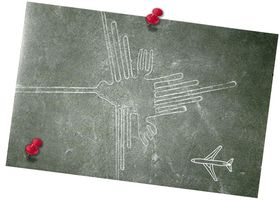
The Aztecs erected temples to the "Blue Hummingbird," while in Peru, the Nazca created an enormous geoglyph in the desert. This massive figure, visible only from the sky, remains a mystery to this day.
Revered for their speed, fierce nature, and breathtaking iridescent colors, hummingbirds were worshipped by ancient American civilizations. They were believed to be the incarnation of the “Sun God” or the spirits of valorous warriors who lost their lives in battle.
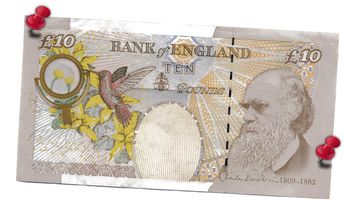
Admiration for these creatures has endured for centuries. Christopher Columbus described them as “marvelous little birds,” while Audubon compared them to “glittering fragments of the rainbow.” Naturalist Goeldi saw them as “precious stones” and “flowers turned into animals.”
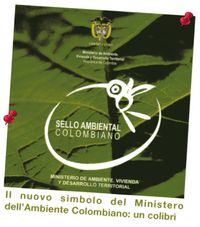
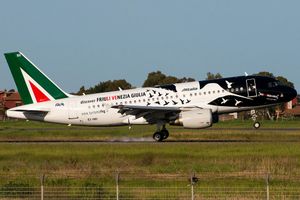
A Tribute to Our Origins
Our Locations
We’d love for you to experience our nectar in person — make an appointment and come visit us
Hummingbirds Center Research Institute - Centro Colibri, Inc.
Open hours
Mon–Sat: 11:00 AM — 8:00 PM
Italian Scientific Institution Centro Colibri and laboratories
Open hours
We are present 24/7 every day of the year
South American Branch - LATAM
Open hours
Monday thru Friday: 11:30 AM — 7:00 PM